

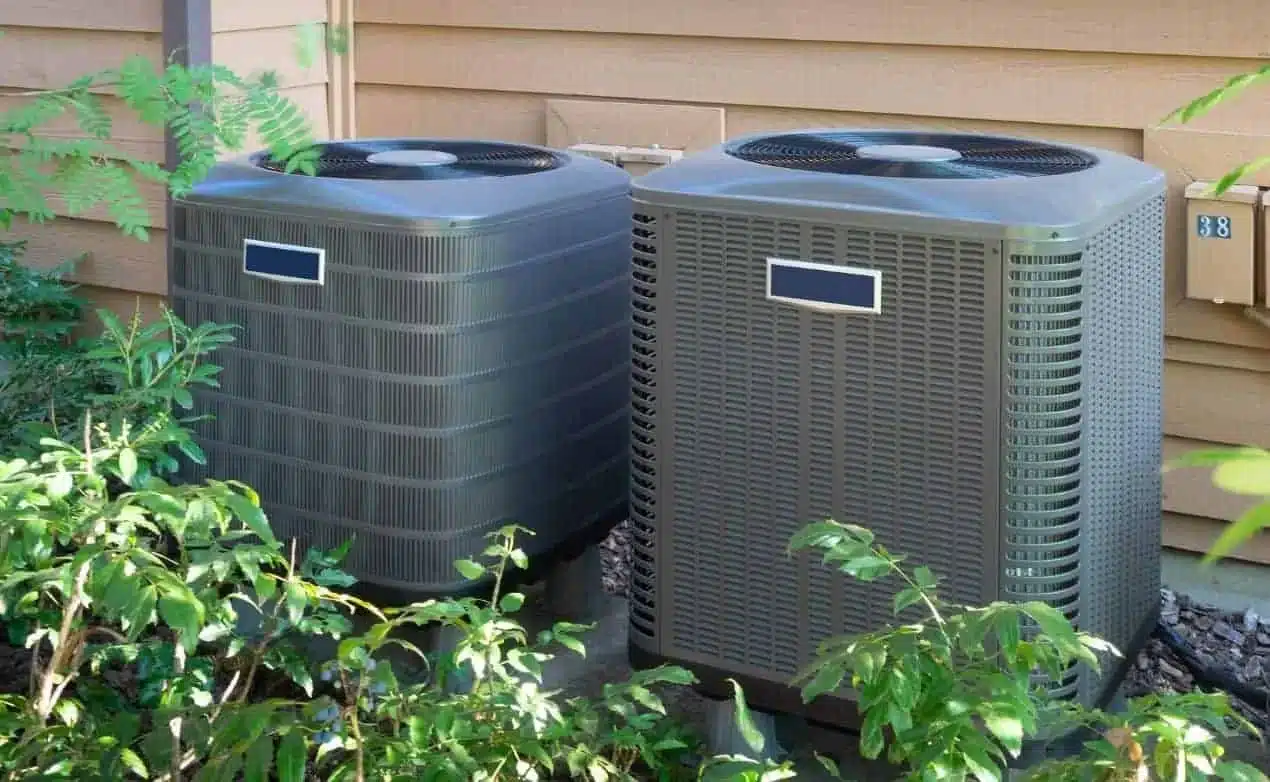
This part of the year compels most people in Sacramento to pay more attention to how to stay cool, and you may not be an exception. Without being taken up by all the things available on sale to this end, are there measures you can take to keep cool air inside your home without running up a humongous utility bill? In this article, HVAC professionals at Clarke & Rush share some steps that you can take to keep cool without using a lot of energy this summer.
Pick the Low-Hanging Fruit (Your Windows)
Those large windows on your house may just be the reason why your home can’t seem to get cool enough during summer. The glass panes allow sunlight to get into the house, and this causes the temperature inside to go up.
It therefore follows that any step you take to prevent sunlight from entering the home will have a beneficial effect on the indoor temperature. AC repair technicians in Sacramento suggest that you switch to window coverings which are thicker or block sunlight in other ways. For example, window tint will block heat and light from entering the home through the windows. Window blinds and thicker curtains, or even shutters can also serve the purpose, so take your pick.
Snoop Out and Fix All Leaks
When was the last time you closely checked the exterior walls to identify and seal all the tiny cracks through which warm air from outside can enter your home in summer? Those seemingly tiny gaps in the wall can have a big impact on the rate at which cool air escapes from your home as hot air finds its way in. Before you consider AC replacement in Sacramento, fix those leaks and see if what you thought was an inefficient AC unit does a satisfactory job of cooling your home once again. You stand a better chance of fixing those leaks if you ask a professional to perform an energy audit of your home.
Insulation is the Unsung Hero
Your home may still be costing a lot to cool in summer even if no leaks exist. How is this possible? Insulation, or the lack of it, is the answer. As you may know, heat is transmitted from a hotter location to a cooler location. In this case, the hotter location is outdoors while the cool location is the interior of your home. Clarke & Rush, the best Sacramento HVAC company, recommends that you install insulation where it is lacking, such as in the attic, if you want to have a cooler home minus having to pay through the nose for energy to attain that desired temperature.
Rethink How You Run the AC
This is one topic on which you will find a lot of contradicting information online. For example, some sources may advise you to leave the AC running at the same temperature settings as those you prefer when you are home while others will be radical and suggest that you turn the AC off while you are away in order to save energy.
Think back to what we mentioned earlier about how heat moves from a hotter place to a cooler one and you will realize that it is simple to manage your cooling costs without sacrificing comfort.
Sacramento HVAC repair professionals suggest that you raise the thermostat settings in order to reduce the temperature differential between the interior of your home and the outdoors while you are away, then you can adjust to a more appropriate setting while you are around. In this way, the AC unit will not work so hard to keep the home cool while you are away (thereby using less energy). Of course a programmable thermostat, or better yet one with Wi-Fi capabilities, is the best in this regard since you can control the cooling system remotely.
Size the AC Unit Properly
Another simple way to manage the cooling costs of your home is by acquiring an AC unit which is the appropriate size for that home. Smaller units work extra hard during the hotter months while bigger units use more energy and cycle on and off more frequently (thereby increasing wear on the equipment and inflating your spend on energy). When your AC unit is the right size, it will work efficiently to keep the home cool. Give Clarke & Rush a call if you aren’t certain your unit is correctly sized and our professional opinion will give you ideas on what to do to correct the situation.
Use a Fan
The degree to which you feel comfortable doesn’t rest squarely on the temperature inside your home. How the air feels also matters. A ceiling fan can blow the cooler air closer to the floor onto your skin and you will feel more comfortable, says a leading HVAC repair professional in Sacramento. This trick alone can allow you to adjust the thermostat to a higher setting without feeling hotter within the house.
Have you tried the measures above and your home is still costing you a lot to cool during summer? Contact Clarke & Rush today for a professional assessment of what is going on. We will then recommend the most cost-effective ways to keep your home cool without incurring high energy costs.
