
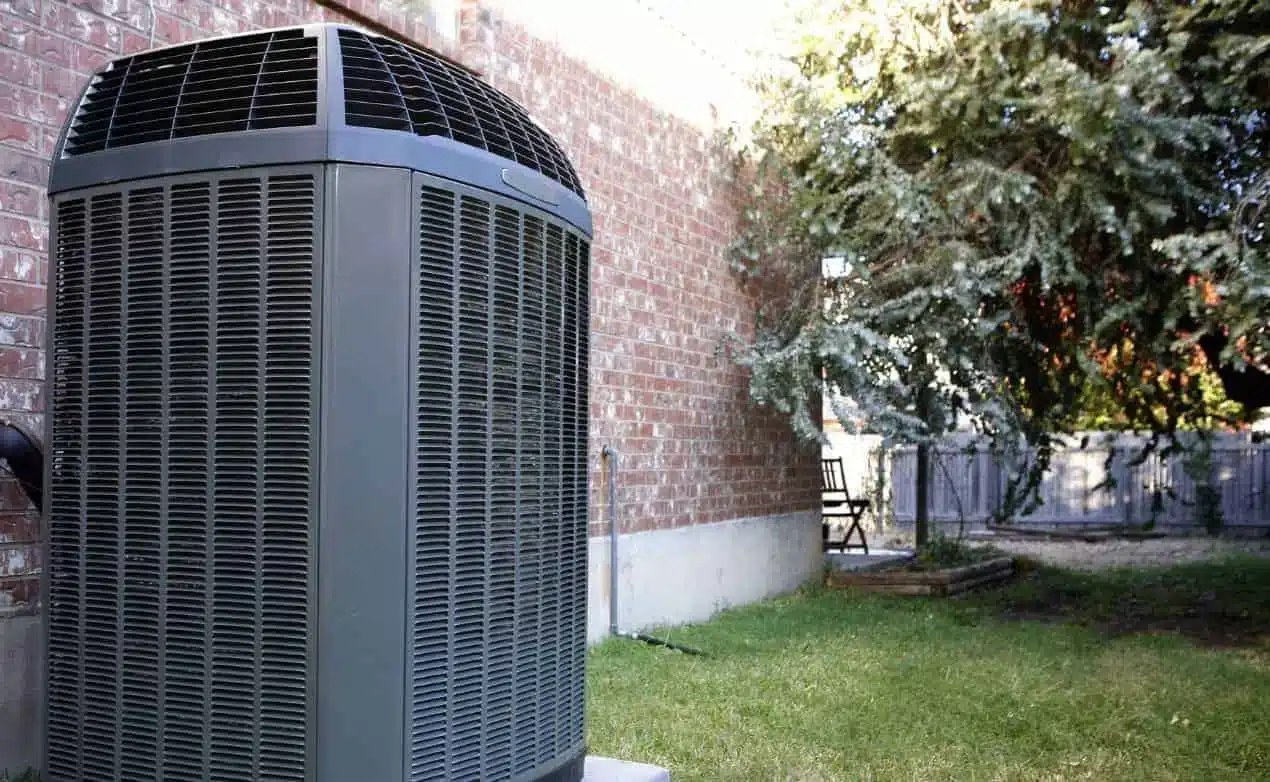
The noise generated by the HVAC unit in your home can be really irritating. It is therefore advisable for you to consider your HVAC’s noise when you’re shopping for HVAC units. The experts at Clarke & Rush give the following tips on AC noise prevention or management.
Pay Attention to the Decibel Rating
Noise is measured in units called decibels (dB). All equipment, such as air conditioners and air compressors, which generates noise have a decibel rating indicated on the product label or tag so that buyers know what to expect when they select that particular product. It is, therefore, best that you select a unit with the lowest decibel rating possible. AC replacement experts in Sacramento caution that quieter units may be priced higher than their noisier counterparts are due to the added materials and technology that goes into designing those units. Clarke & Rush HVAC technicians advise that you ask the supplier of the AC unit to explain or compare what the different ratings mean when compared to everyday noise, such as the noise in a busy restaurant.
Have the Unit Correctly Sized for Your Home
Getting an incorrectly sized HVAC unit for your home can set you up for years of more noise than you would have had to put up with if you had selected the right unit for your home. For example, a unit that is too small for the home will work harder (stay on longer) than a correctly sized unit. The longer the unit stays on, the more noise it generates. Larger units also cycle on and off more frequently and that results in more noise. Ask an AC repair technician in Sacramento to assess your home and needs so that he or she recommends the best sized AC unit for your property. This will save you from being exposed to unnecessary noise.
Acquire Other Devices to Keep the Unit from Overworking
Even a correctly sized unit can occasionally overwork when the conditions in the home change. For example, the high humidity during winter can result in more AC unit noise as the system battles to keep humidity within acceptable levels. Similarly, conditions in kitchens and bathrooms when those places are being used overwork HVAC units due to the added moisture generated. Installing an exhaust fan in the kitchen and bathroom as well as buying a humidifier to adjust the humidity levels can reduce the strain your unit faces and result in less noise. The Clarke & Rush technician helping you will recommend which ancillary devices you need to keep the HVAC unit from working too hard.
Look for Units With Inbuilt Sound Attenuation
Technology has advanced and many HVAC units are manufactured with features that reduce how much noise those units generate. When doing AC replacement in Sacramento, consider units that have variable speed fans. Such fans adjust how hard they work (and therefore the noise they generate) depending on the load on the HVAC unit. Other sound-attenuation features include compressor insulation, insulated fan base, and fans designed in ways or from materials that minimize sound generation. As already mentioned, these models of HVAC units may be more expensive than the ordinary versions which don’t have sound attenuation features, so make your budget accordingly.
Pick the Installation Site Carefully
Where you want the HVAC unit to be installed can also affect how much noise will get to you while that unit is working. For example, an HVAC unit installed on the rooftop may make less noise than a unit that is right outside your bedroom window. The professionals at Clarke & Rush usually select an installation site that will cause the least noise problem for house occupants, but homeowners reserve the right to accept or reject that suggestion. Defer to the opinion of the AC installation expert in Sacramento so that you don’t expose yourself to more HVAC unit noise than is unavoidable.
Make Routine Maintenance a Norm
Once the HVAC unit has been installed, it may or may not operate quietly depending on how much attention you devote to preventive maintenance. For example, moving parts that go without lubrication for a long time will become noisy. Similarly, loose bolts and nuts can also generate noise as the unit is working. Annual inspection and maintenance conducted by a professional from Clarke & Rush in Sacramento will forestall these avoidable causes of AC unit noise.
As you can see, the noise generated by your HVAC system can be linked to the decisions you made when buying that unit, how and where it was installed, and what you do to maintain the system after it has been installed. This complicated mix of factors can only be got right if you involve an experienced AC replacement expert in Sacramento, such as those from Clarke & Rush during every step of the process. Give us a call today if you are having AC noise issues with your current unit and we will work with you to get and install a replacement which is less noisey.