Living in California means getting used to long stretches of heat every year. Around Sacramento, air conditioning is not a luxury. It is part of daily life once summer hits. Because installing a new AC system is a big investment, most homeowners want to know how long they can expect it to last. Planning makes replacement less stressful when the time comes.
The truth is, there is no single answer that fits every home. How long your AC lasts depends on how it was installed, how often it runs, and how well it is maintained. Climate, home construction, and even daily habits play a role. Below, we break down what affects AC lifespan and what you can do to help yours last as long as possible.
Old ACs vs. New ACs
It helps to start by comparing older systems with modern equipment. Many AC units installed 20 or more years ago were expected to last 10 to 15 years. That assumed the homeowner kept up with service and basic maintenance. Once those systems reached the ten-year mark, repairs became frequent and costly.
Newer air conditioners tend to last longer. In many Sacramento homes, a new central AC can last 15 to 20 years with proper care. Improvements in materials and manufacturing have made today’s units more durable. Outdoor cabinets resist corrosion better, and internal components handle heat stress more effectively.
Compressors also last longer than they used to. Older designs struggled under heavy use, especially during heat waves. Newer compressors handle load changes more smoothly, reducing wear. Fewer major failures over time usually mean fewer reasons to replace the system early.
What Factors Affect AC Longevity?
Several variables affect how long an AC will serve your home. Some are within your control, while others relate to how your home was built. Understanding these factors helps you make better decisions throughout the system’s life.
Usage Patterns
How often your AC runs has a direct impact on its lifespan. In Sacramento, many homeowners turn their systems on by late spring. Others wait until early summer, depending on tolerance for heat. Most systems run regularly through September.
Homes that rely heavily on air conditioning often see systems wear out sooner, sometimes closer to fifteen years. Homes that manage usage carefully may get a few extra seasons. Smart thermostats can help reduce runtime during low-occupancy hours. Less runtime usually means less strain on motors and compressors.
The Quality of Your Home’s Air Seal
Insulation and air sealing matter more than many people realize. Poor insulation allows cooled air to escape and hot air to enter. That forces your AC to work harder and longer to maintain comfort.
A well-sealed home holds temperature more effectively. That lowers the overall workload on your system. Better insulation also helps reduce energy bills, which is a bonus many homeowners notice right away.
Maintenance Frequency
Maintenance plays a major role in system longevity. Most manufacturers recommend professional service at least once each year. That visit allows technicians to catch small issues before they turn into expensive repairs.
Air filters also matter. Disposable filters should be replaced about every three months. When filters clog, airflow is restricted, resulting in weak airflow. Reduced airflow can cause overheating and damage blower motors over time.
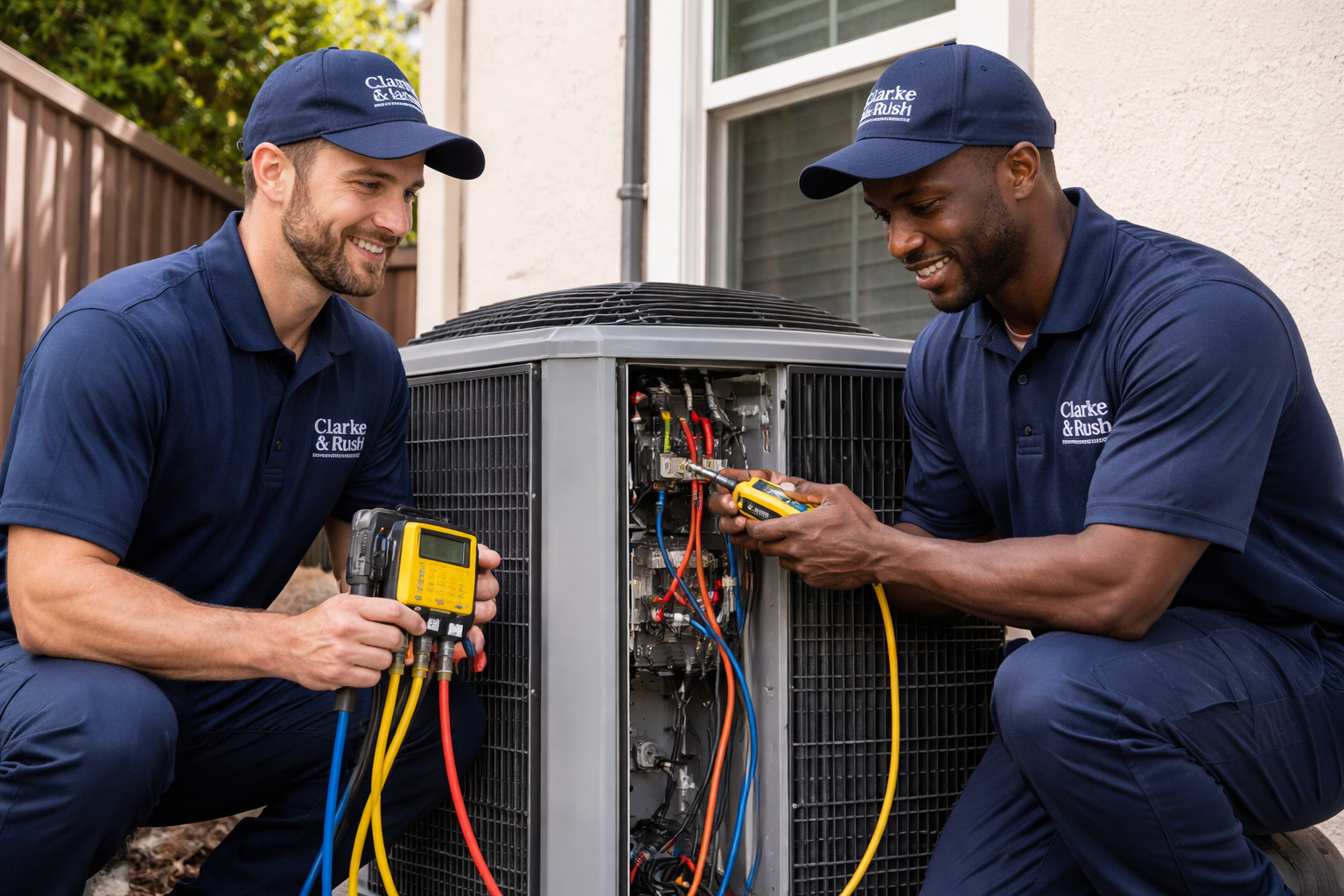
During a service visit, we inspect wiring, electrical components, and moving parts. Coils and blowers are cleaned, improving airflow. Refrigerant levels are checked to catch leaks early.
Refrigerant leaks are a common reason AC systems fail early. At first, cooling performance drops. That causes longer run times and added stress. As leaks worsen, evaporator coils can freeze, and compressors overheat. Once a compressor fails, replacement often becomes the more practical option.
Installation Quality
Installation quality may be the most important factor of all. A system must be sized correctly for the home. An undersized unit runs constantly and struggles to cool effectively. An oversized unit cycles too often, stressing components and wasting energy.
Proper sizing starts with a load calculation. Technicians account for square footage, insulation, window placement, and appliance heat. Skipping this step often leads to long-term problems.
Ductwork also matters. Each system is designed for a specific airflow range. Excess pressure caused by restrictive ductwork can reduce efficiency and increase noise. Blower settings must match the duct design.
Refrigerant line installation is another critical step. Lines are cut, flared, and connected by hand. Poor workmanship at these joints often leads to leaks later. Professional installation reduces those risks.
Signs Your AC May Be Nearing the End
Even well-maintained systems show signs as they age. Rising energy bills without changes in usage can signal declining efficiency. Frequent repairs are another indicator.
Uneven cooling throughout the home may suggest internal wear. Strange noises, especially from the outdoor unit, often point to mechanical issues. If repairs become more frequent and costly, replacement may be worth discussing.
How Long Do Ductless and Mini-Split AC Systems Last in Central California?
Out here in Sacramento, ductless AC and mini-split systems see steady use once the heat settles in. We install and service a lot of them, especially in homes without existing ductwork. When these systems are sized correctly and installed cleanly, most last 15 to 20 years. That lines up with what we see on service calls across the area.
The indoor air usually holds up well. We do see issues when filters go too long without cleaning. Dust, pet hair, and field debris can choke airflow and strain the fan motors. Outside, the condenser bears the brunt of the sun’s heat. Coils get dirty fast, and electrical connections loosen over time. Catching those early during service visits keeps problems small.
Mini-splits often outlast traditional systems because there’s no ductwork leaking air. They also cycle more quietly than ACs, reducing compressor wear. Homes near farmland or dusty roads need more frequent filter attention. When you keep up with cleaning and inspections, these systems stay quiet, efficient, and reliable for many summers. We’ve seen well-maintained units still running strong after nearly two decades.
Your Trusted Local AC Installer
When it’s time for a new AC in Sacramento, working with a local team makes a difference. At Clarke & Rush Mechanical Inc., we’ve been serving the area since 1963. We understand local homes, weather patterns, and construction styles.
We’re a family-owned company, which means we know how important comfort and budgeting are for homeowners. As a Factory-Authorized Carrier dealer, we install reliable equipment built to last. Our technicians bring decades of combined experience to every installation.
If you’re thinking about replacing your AC or want to extend the life of your current system, we’re here to help. A well-installed and well-maintained system can serve your home reliably for many years. Reach out to our team at Clarke & Rush Mechanical Inc. to talk through your options and plan with confidence.