
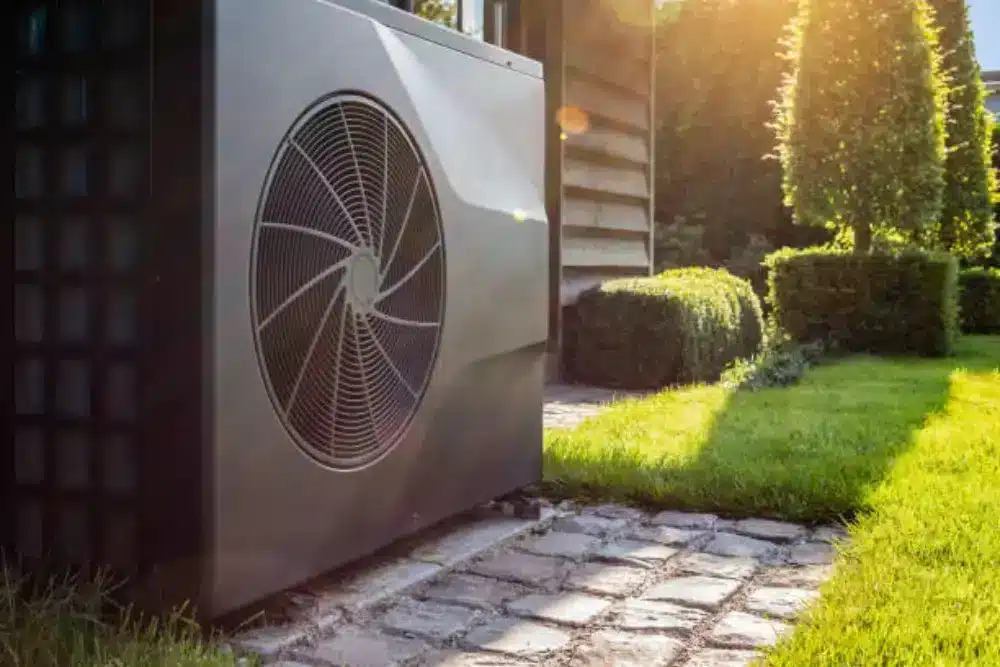
California homeowners have started to treat heating and cooling upgrades like a long-term home strategy, not a “replace it when it dies” decision. If you have noticed more neighbors talking about heat pumps, you aren’t imagining things. A heat pump can heat your home in winter, cool it in summer, and often lower energy use in mild climates while improving comfort.
Heat Pump vs. Furnace and AC
A traditional setup generally has a furnace for heat and an AC for cooling. A heat pump combines both of these functions in a single piece of equipment. If your home already has central ducts, a heat pump can often use them. If you want zoned comfort or you have rooms that never feel right, ductless mini-split heat pumps can target those spaces without extending ductwork.
1. California’s Climate Matches Heat Pump Strengths
Heat pumps are popular in areas with mild winters, and much of California fits that description. When winter temperatures often do not go below freezing for long periods, a heat pump can maintain steady comfort without working as hard as it would in a harsher climate. The best comfort tends to come from steady run cycles. Heat pumps deliver gentler heat than a furnace, and that steady output can help to reduce the hot-and-cold swings that make your home feel drafty.
Coastal vs. Inland Considerations
Coastal areas tend to see smaller temperature swings, so heat pumps can run efficiently year-round. Inland regions with hotter summers still can benefit. This is because a heat pump cools like a high-efficiency air conditioner, and modern systems manage heat well during cold snaps.
2. One System for Heating and Cooling Simplifies Everything
You may want fewer moving parts in your home comfort setup. With a heat pump, you manage both heating and cooling through one system, one thermostat, and one maintenance schedule. That simplification has a practical benefit. When you replace an aging furnace and an aging AC at the same time, you avoid the pairing problem that can create airflow mismatches and comfort complaints.
Easier Planning for Replacement Cycles
A furnace might limp along while the AC fails first, or vice versa. Heat pumps allow you to plan a single replacement timeline instead of managing the lifespan of two separate units. If you are a homeowner who prefers predictable home expenses, that alone can be a strong reason to switch.
3. Comfort Improves Through Better Temperature Control
A heat pump produces lower-temperature supply air than a furnace, but it runs longer and more consistently. That combination can make your home feel more even, especially during the shoulder seasons when a furnace might overshoot the setpoint and shut off quickly. If your home suffers from hot upstairs rooms or bedrooms that never match the rest of the house, a zoned heat pump can make a difference.
Better Dehumidification During Cooling Season
Many heat pumps offer variable-speed operation, which can improve humidity control in cooling mode. Longer run times often remove more moisture, which can make your home feel cooler at higher thermostat settings. That translates into comfort you can feel, not just numbers on a bill.
4. Energy Efficiency Keeps Getting Better
Heat pump technology has improved rapidly. Variable-speed compressors help modern systems deliver higher efficiency across a wide range of outdoor temperatures. A heat pump can reduce energy waste by matching output to the actual demand.
5. Electrification Aligns With California’s Energy Direction
You may want to reduce your dependence on gas, especially as you add solar, battery storage, or an EV to your home. A heat pump supports that shift by providing electric heating that pairs naturally with solar production. Even if you don’t have solar today, you might plan for it later. When you choose a heat pump now, you keep your options open for future energy upgrades without redoing your entire comfort system.
Indoor Safety and Air Quality Benefits
A heat pump doesn’t burn fuel inside your home. That eliminates combustion concerns like venting issues or cracked heat exchangers, which can affect indoor air quality. You still need proper electrical and refrigerant safety, but you remove one category of risk from the equation.
6. Incentives and Rebates Often Improve the Math
Consider rebates, utility programs, and regional incentives that reduce upfront costs for heat pump installation. These programs change frequently, and eligibility depends on your location and the type of system you install. We can help you understand which incentives apply to your home and how they affect total project cost. The important thing is to evaluate incentives as part of the full value equation, not as the only reason to switch.
7. Heat Pumps Pair Well With Ductless Add-Ons
Not every home has perfect ductwork. Some older homes have undersized returns, leaky ducts, or additions that never cooled properly. Heat pumps give you flexible solutions because you can install a central heat pump for the main home and add ductless mini-splits for problem areas. This hybrid approach often costs less than rebuilding ductwork, and it gives you room-by-room control.
Great for Home Offices and Additions
If you work from home or you have a converted garage, ductless heat pump heads can give that space reliable comfort without overcooling the rest of the house. This solves the common complaint of “the thermostat sits in the hallway, but my office feels like a different climate.”
When a Heat Pump Might Not Be the Best Fit
Heat pumps work well for most California homes, but the details matter. If your home has severe duct problems, poor insulation, or major air leaks, you may need to address those first to get the best performance from any system. You also need correct sizing. Oversized equipment can short-cycle and struggle with humidity control, while undersized equipment can run constantly during extreme days. A load calculation and duct evaluation should guide the equipment choice.
Ready to See if a Heat Pump Makes Sense for Your Home?
California homes keep switching to heat pumps because the technology matches the climate and supports long-term energy goals. If you want to replace an aging furnace and AC or plan for a more efficient home, a heat pump may be the next step.
Here at Clarke & Rush, we have been serving the HVAC needs of the Sacramento area since 1963. Contact us today to learn more about how a heat pump can be ideal for your situation.
