
When it comes time to upgrade your water heater, you have a couple of different options. One of the biggest questions homeowners face is tankless vs traditional water heater replacement. With heating water being one of the biggest energy expenses in your home, prospective water heater energy savings is a big deal. This especially holds true because of California’s rising utility costs and focus on home efficiency. It’s best to compare water heaters when making your ultimate purchasing decision.
How Traditional and Tankless Water Heaters Work
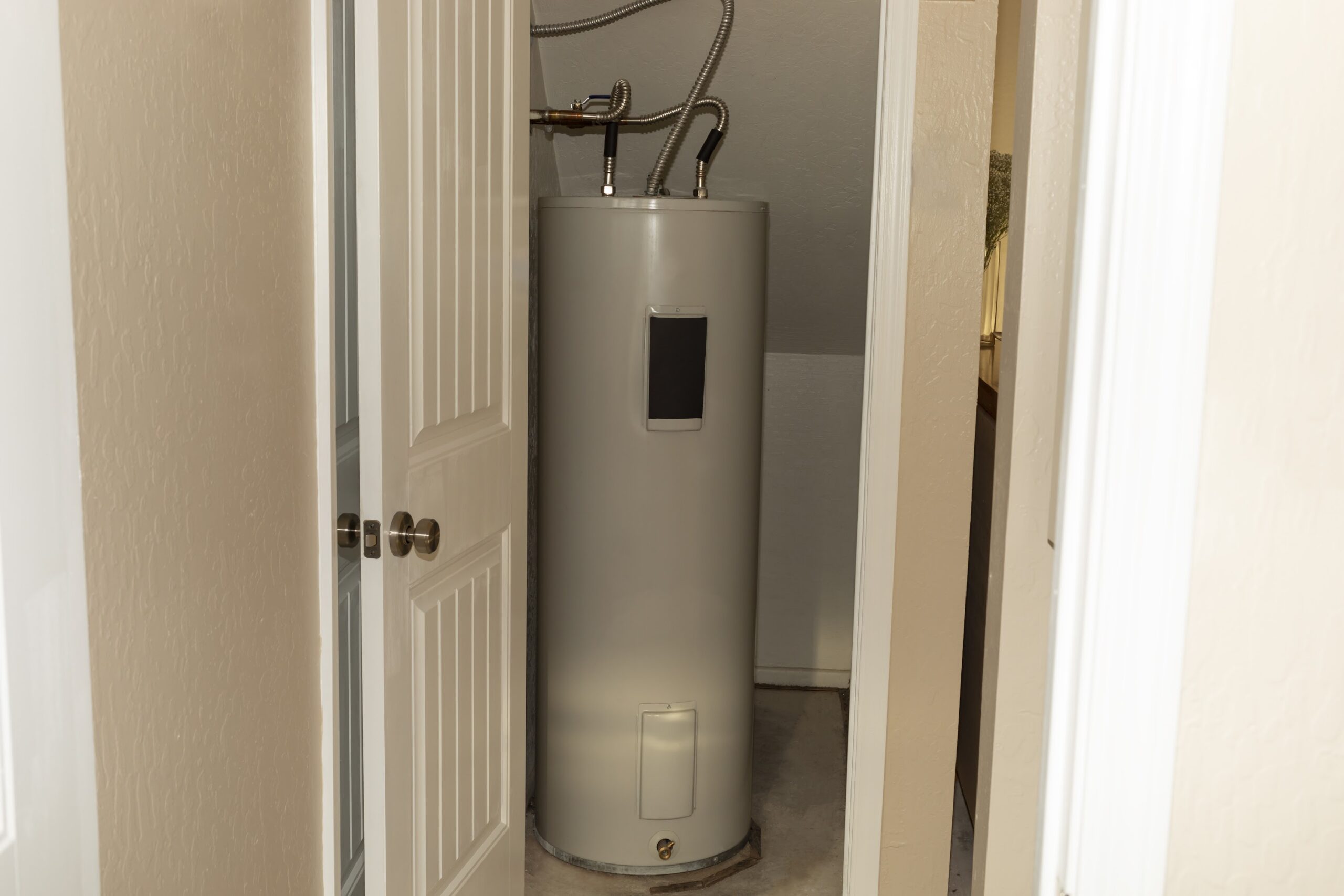
There are two different styles of water heaters you can purchase. You can get a traditional or tankless water heater in California. Traditional water heaters, also known as storage tank heaters, have a full tank of hot water ready to go. Whenever you need hot water, hot water flows out of the tank into your plumbing fixtures. Because the tank can only store so much hot water, you have restrictions on how much hot water you can use. If you go over that limit, your water will turn lukewarm.
A hot topic for water heater efficiency in California is the tankless or on-demand water heater. These water heaters are much smaller in size, as they don’t have a storage tank. Rather, they simply heat water as it travels through your hot water line on the way to your plumbing fixtures. Having a tankless water heater in California gives you the advantage of having an endless supply of hot water.
Energy Use: Standby Loss vs On-Demand Heating
When you do your tankless vs traditional water heater evaluation, energy usage is a big factor. Traditional water heaters incur standby heat loss from maintaining their tank temperature. When the weather gets colder, these water heaters will incur more heat loss. A big reason tankless water heater efficiency in California is high is that they don’t incur standby heat loss.
The only time that tankless water heaters use energy is when they’re actively heating water. This happens when you turn on your plumbing fixtures. Because of their operation style, on-demand water heater savings are tremendous compared to traditional units. If you’re making your purchasing decision solely based on water heater energy savings, on-demand units win every time.
Efficiency Ratings and What They Mean
When you compare water heaters by their efficiency, you need to understand two different ratings. These are the energy Factor (EF) and uniform energy Factor (UEF) ratings. EF is the older standard that your existing unit likely has. UEF is the new standard that uses updated metrics for modern-day water heaters. They provide a more accurate reflection of performance across different household usage patterns.
Both EF and UEF values range from zero to one. A higher number indicates a greater operating efficiency, which means less energy usage and lower operating costs. In general, traditional water heaters using electricity have an EF rating between .90 and .95. Those that use gas have an EF rating between 0.55 and 0.70.
When it comes to tankless water heaters, gas units have a UEF between .80 and .99. Electric tankless units have a UEF between .98 and .99. When you compare water heaters based on their efficiency rating, it becomes clear that tankless units are much more efficient. On-demand water heaters can significantly drop your energy bills compared to traditional units.
California Climate and Household Usage Patterns
While water heater efficiency in California is an important consideration when selecting a water heater, it’s only one factor. Your household’s usage pattern and climate also affect which water heater makes the most sense for your home. For example, a tankless unit can have a high operating efficiency. However, if it isn’t big enough to supply adequate hot water to your home, it doesn’t make sense to purchase one.
California has many different climates that range from a mild coastal climate to inland and mountain climates. These all impact your water heating demands and ultimately which water heater you purchase. If you live in a coastal climate, you experience mild temperatures throughout the entire year. This reduces the amount of energy that your water heater uses to heat your water. This is compared to a colder climate with a larger difference in temperature.
Additionally, coastal homes tend to have incoming groundwater that’s warmer than other areas throughout the state. Inland and mountainous regions in California often experience colder incoming groundwater. This requires your water heater to expend more energy to heat up your water to your desired temperature setting. These regions also experience more extreme seasonal temperature swings, which increase hot water demand.
A tankless water heater in California is a perfect option for households that have staggered water usage. This means that you do your dishwashing, showers, and laundry at different times throughout the day. Your tankless system can easily adjust flow rates and heating capacity to match your specific demands.
However, on-demand water heater savings typically don’t outweigh the cost of not having adequate hot water. If you routinely run multiple fixtures at the same time, it places a high demand on your water heater. If you’re taking multiple showers, doing dishes, and doing laundry simultaneously, it can strain a tankless unit.
In cases of larger families with simultaneous hot water demand, traditional tank-style water heaters tend to be more reliable. This is because they store a large volume of heated water that can be delivered instantly to your fixtures.
Cost Comparison: Energy Savings vs Upfront Investment
When performing a tankless vs traditional water heater comparison, cost is a big factor. The cost of a traditional water heater is typically less than that of a tankless unit. However, it’s important to take into account water heater energy savings when making your ultimate purchasing decision. Just because a tankless unit costs more upfront doesn’t mean that it’ll cost more over its entire lifespan.
While the traditional water heater cost is lower than that of a tankless unit, it will cost more to run over its lifespan. Additionally, it’s important to consider the lifespan of the unit. Standard water heaters have a usable lifespan of about 8 to 12 years. This is assuming that they receive routine flushing and maintenance. On the other hand, tankless units have a usable lifespan of between 15 and 20 years. It’s important to weigh all these tankless vs traditional water heater cost factors when making your purchasing decision.
It can be helpful to do a payback calculation as well to give you more insight. You want to start by determining the total cost of your new water heater, including the equipment and installation. You can look over your previous energy bills to estimate your current energy usage and the monthly costs associated with your existing water heater. Calculate your expected energy savings by multiplying your reduced energy consumption by your current utility rate. Take the total system cost and divide it by your annual energy savings to determine your payback.
Real-World Savings for California Homeowners
The amount of energy savings that you receive from getting a new water heater will vary widely. Your savings will depend on your household size, usage patterns, and the size of your new unit. Let’s say you have a larger household with a high daily hot water demand. You’ll typically see greater savings from purchasing a high-efficiency traditional water heater. Tankless water heaters often provide substantial energy savings when your household staggers its hot water usage. Regardless of the type of water heater you get, proper sizing and installation are the key to maximizing your energy savings.
Choose the Water Heater That Makes Sense for Your Home and Budget
Both traditional and tankless water heaters have their place in modern-day homes. As a homeowner, it’s important to take into account water heater efficiency in California and its ability to deliver. We encourage you to take into account both your usage patterns and long-term costs when making your ultimate purchasing decision. Clarke & Rush has a wide selection of both standard and tankless units for all our valued clients.