


Sometimes, life happens. One day, your house is in tip-top shape, all appliances and utilities working in perfect order; and the next, your plumbing causes a flood.
Be the issue with your toilet, your kitchen sink, or your shower drain, those problems were actually a long time coming, even if the stoppage appeared seemingly out of nowhere. Many plumbing and water damage mishaps are a product of buildup and honest mistakes, so while the clues were there, they were too subtle to notice.
Common Plumbing Mishaps and Why They Happen
Some plumbing mishaps are due to human error, while others are, unfortunately, an effect of circumstance. Here are some ways to recognize and prevent these issues from occurring again:
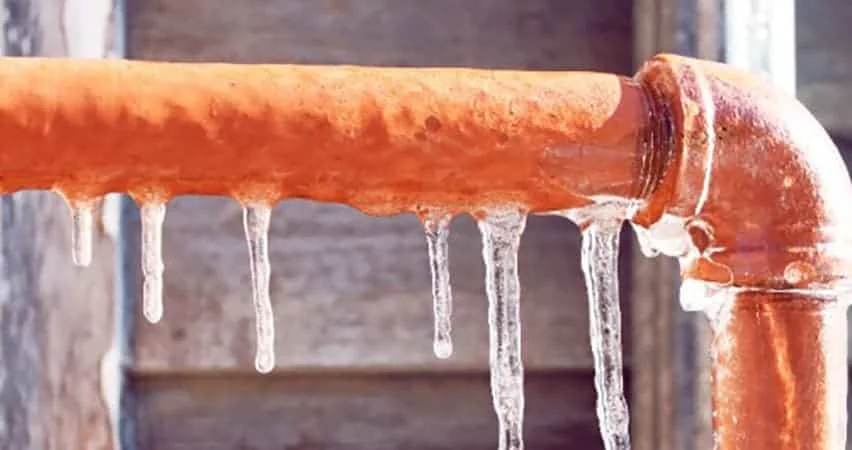
Frozen Pipes
When water freezes, it expands, putting pressure on a pipe until it eventually breaks. This issue is most likely to occur in pipes that run through unheated rooms like basements and garages, or in outdoor spaces like around the swimming pool and with your hose.
Solution: Indoors, you can insulate rooms that are not typically heated. Outdoors, you should drain the water from your swimming pool and be sure to unhook your hose during colder months.
For even more information about preventing winter plumbing problems, click here.
Pouring Grease Down the Drain
Doing this causes the grease to stick to the inside of the pipes. If you pour too much grease down the drain, the dried grease will accumulate until the pipe is completely clogged.
Solution: Don’t pour grease down the drain! The common belief that running hot water down the drain will melt away the grease is incorrect, so save an empty coffee grounds or soup can instead to pour the liquid grease into, and wait until it hardens into fat so you can toss it in the trash.
Surely the time waiting for the grease to dry is worth the trouble you’ve just saved yourself in the long run.
Septic Issues
Hard-to-flush toilets, water backing up in sinks, and swampy grounds around your septic tank (unrelated to recent bad weather) are some signs of septic issues.
Solution: Be sure to schedule regular septic pumping appointments with a professional. While not the most glamorous home improvement investment, it is a necessary one to remove filth that has built up inside.
Between each draining, avoid (again) pouring grease down the drain, and use cleaners commonly filtered through water pipes (such as laundry detergent) sparingly.

Toilet Wax Ring Failure
When the wax ring around your toilet fails, you will undoubtedly see signs of leaks or smell an odor that, for once, isn’t due to your significant other’s unfortunate bodily functions.
Solution: Regular wax ring wear is unpreventable, so in this case you’ll just have to replace it. Toilet repair can be easily done without hiring a professional, however, if you are unsure, it is always prudent to seek qualified expertise.
Depending on your plumbing problem, the remedy may involve bringing in a professional (darn those stinky septic tanks) or making a personal behavior change (no more pouring grease down the drain!).
Most issues become simple to spot once you’re aware of how they’re caused, so keep your eyes—and nose—peeled for any future suspicious warning signs.
If you suspect these, or any other potential plumbing issues in your home, contact the skilled professionals at Clarke and Rush. Our technicians can detect and repair any issues with your pipes, in a timely and cost-effective way. We have been proudly serving the greater Sacramento area for over 50 years.
