
It’s a hot day, and you finally get home looking forward to relaxing in the superb comfort of your house—only to find your AC not turning on or not cooling like it should. If you’re asking, “Why is my AC not working?” you’re not alone. This is a common concern for homeowners, especially during the peak of summer.
Why Does My Sink Drain Smell?
There are several possible reasons your AC stopped working. Some are simple fixes, while others might require professional help.
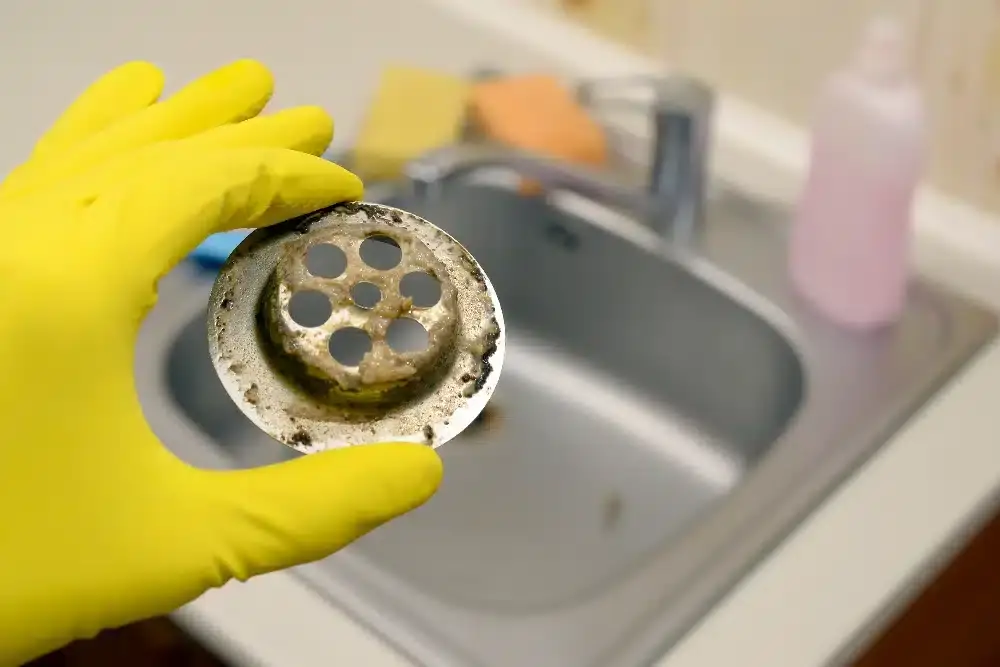
Buildup of Food Particles or Soap Scum
Over time, food scraps and soap residue can accumulate inside your drain. They release bad smells as they decompose, especially if you don’t rinse the sink regularly.
Grease and Fat Accumulation
Pouring grease or oil down the sink may seem harmless, but they harden inside the pipes and trap food particles. This sticky buildup contributes heavily to odors.
Bacteria and Mold in the Pipes
Drains are dark and damp—perfect breeding grounds for bacteria and mold. These microbes break down organic matter and create that unpleasant, musty smell.
Dry P-trap or Plumbing Issues
If the P-trap (the curved pipe under your sink) dries out, sewer gases can return to the drain. This may be the reason why your sink drain smells like rotten eggs.
How to Clean a Smelly Sink Drain
Now that you know the causes, let’s look at how to clean a smelly sink drain using different methods.
Natural Solutions to Eliminate Drain Odors
If you prefer natural remedies, these options can be pretty effective:
Baking Soda and Vinegar Reaction
Pour 1/2 cup of baking soda and 1/2 cup of vinegar down the drain. Let it fizz for 15 minutes, then flush with hot water. This chemical reaction helps dissolve buildup and freshens the smell.
Boiling Water Flush
Boil a kettle of water and slowly pour it down the drain in two stages. Wait a few seconds between each pour to allow the heat to break down grease and scum.
Lemon, Salt, and Ice Cubes
This trick works great for garbage disposals. Drop in ice cubes, a handful of coarse salt, and lemon peels. Turn on the disposal to grind everything. The mixture scrubs the blades while the lemon adds freshness.
Essential Oils and Citrus Peels
Add a few drops of essential oil (like lavender or lemon) or toss citrus peels into the disposal. These natural ingredients leave behind a pleasant scent.

Chemical and Commercial Drain Cleaners
When to Use Store-Bought Drain Cleaners
Commercial cleaners can offer a stronger solution if the smell persists after natural methods. Use them sparingly and always follow the instructions to avoid damaging your pipes.
What Is the Best Drain Cleaner for Smelly Sinks?
Look for gel-based or foaming cleaners specifically made to remove odor-causing residue. Avoid harsh acids unless recommended by a plumber.
Enzyme Cleaners, an Eco-Friendly Alternative
How Do Enzyme Cleaners Work?
Enzyme-based cleaners use natural bacteria to break down organic matter in your pipes. They’re safe, eco-friendly, and effective for long-term odor control.
Mechanical and Manual Cleaning Methods
Using a Drain Brush or Pipe Snake
For physical blockages, a flexible drain brush or a pipe snake can help clean drain and remove gunk stuck in the pipes. Gently push it down and twist it to pull out debris.
Cleaning the P-Trap
Place a bucket under the P-trap, unscrew the pipe, and remove any trapped food or sludge. Wash the trap and reassemble. This method is ideal for tough odors.
Garbage Disposal Maintenance
Clean the garbage disposal blades regularly and avoid overloading it with fibrous foods. Always run cold water during and after use to flush debris away.
How to Keep My Sink Drains Clean
Prevention is the best way to avoid bad smells. Here’s how to keep sink drains clean:
What to Avoid Pouring Down the Drain
Never pour grease, coffee grounds, eggshells, or fibrous vegetables into the sink. These items stick to the pipes and cause clogs and odors.
Install Sink Strainers
A mesh strainer catches food particles and other debris, preventing them from going down the drain in the first place.
Flush Your Drains Regularly
Once a week, flush your drains with hot water, or use the baking soda and vinegar method monthly to maintain a fresh-smelling drain.
When It’s Time to Call a Professional
Sometimes, DIY methods aren’t enough.
Persistent Odors Despite Cleaning
If you’ve tried everything and the smell keeps coming back, there may be a bigger issue deeper in your plumbing system.
Backup or Slow Drainage
Bad smells accompanied by slow draining or water backup suggest a potential clog or sewer line problem that needs expert attention.
FAQs
Does Pouring Vinegar Down the Drain Make It Smell Better?
Yes! Vinegar neutralizes bad odors and, when combined with baking soda, it also helps remove gunk buildup.
Why Does My Sink Drain Smell Like Rotten Eggs?
This usually indicates the presence of hydrogen sulphide gas, often caused by bacteria or a dry P-trap.
How do You Get the Rotten Smell Out of a Drain?
Flush the drain with boiling water, then follow with baking soda and vinegar. For persistent smells, try enzyme cleaners or clean the P-trap manually.
Clarke and Rush Can Fix Your Smelly Sink Drains
If you’ve tried these tips and your drain still stinks, it may be time for expert help. At Clark & Rush, we specialize in diagnosing and fixing persistent plumbing issues. Whether it’s buildup, clogs, or damaged pipes, we have the tools and experience to get your sink smelling fresh again. Don’t let foul odors linger—contact us today and let us bring clean, fresh air back to your home.