

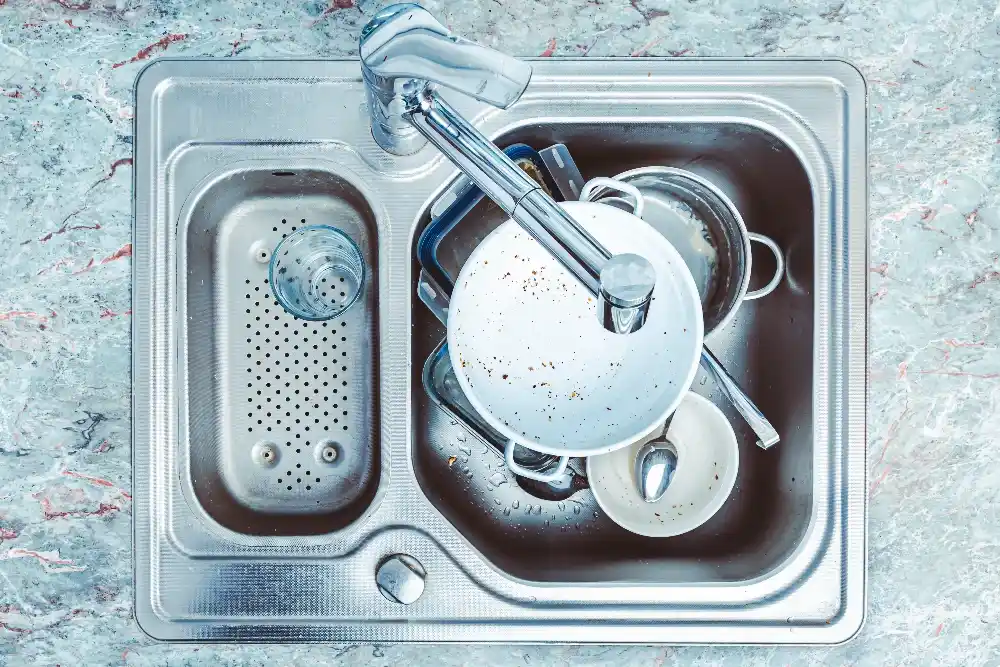
If your kitchen sink drain stinks, you’re not alone. That funky odor sneaking into your kitchen can make cooking or doing dishes downright unpleasant. Thankfully, there are simple ways to kick that smell to the curb—and most don’t require a plumber or expensive supplies.
Let’s break down the common causes, how to pinpoint the problem, and the best methods to freshen things up.
Why Your Kitchen Sink Drain Smells Bad
Nothing throws off the vibe of a clean kitchen like a smelly kitchen sink drain. That sour or musty smell doesn’t appear out of nowhere. It’s usually a sign that something nasty is lurking beneath the surface.
Common Causes of a Smelly Kitchen Sink Drain
Before you can fix the odor, you need to know what’s causing it. Let’s take a closer look.
Food Buildup and Grease Residue
Tiny food scraps and grease can cling to the sides of your pipes. Over time, they rot and stink. Grease hardens, trapping more debris, and before long, your kitchen sink drain smells bad, like a forgotten trash can.
Bacteria and Mold in the Pipes
Warm, damp environments are perfect for bacteria and mold growth. As they thrive, they produce foul-smelling gases that float up through your drain.
Dry P-Trap or Sewer Gas Odors
The P-trap under your sink holds water to block sewer gases. If the trap dries out (especially in unused sinks), those gases escape. If your drain stinks in kitchen and it’s been a while since you used it, this could be the reason.
Garbage Disposal Issues (If Applicable)
Leftover bits of food can get stuck under the garbage disposal blades. If they’re not cleaned, they’ll rot and start to smell. It’s often the hidden culprit behind a kitchen sink drain that smells bad.
How to Identify the Source of the Odor
Tracking down the source of the smell can save you time and effort when cleaning.
Sniff Test: Garbage Disposal vs. Drainpipe
Take a quick sniff test. Open your cabinet and sniff under the sink to rule out mold or leaks. Then compare the smell from the garbage disposal and main drain sides. The more pungent scent often points to the troublemaker.
Check the P-Trap and Drain Vent
Shine a flashlight into the P-trap. If it’s dry or gunky, that may be the issue. A blocked or clogged vent can also affect the drain function and lead to odors.
Observe Water Flow and Drain Speed
If water drains slowly, debris might be caught in the pipes. A clog often causes a smelly kitchen sink drain, so watch for gurgling or standing water.
6 Simple Ways to Eliminate the Smell from Your Kitchen Sink Drain
These six DIY methods are easy, cheap, and effective. Let’s freshen up that sink!
1. Flush the Drain with Boiling Water
Start simple. Boil a pot of water and pour it slowly down the drain. This helps melt away grease and washes away food particles. If your kitchen sink drain stinks, this is the quickest fix to try first.
2. Use Baking Soda and Vinegar
Pour 1/2 cup of baking soda into the drain, followed by 1 cup of vinegar. Cover with a plug and wait 10–15 minutes. Rinse with hot water. This fizzy duo breaks down grime and neutralizes odor.

3. Clean the Garbage Disposal Blades
Turn off the power. Use a brush or scrub pad to clean under the splash guard and around the blades. Food buildup here often explains why your drain stinks in kitchen setups with disposals.
4. Scrub the Rubber Splash Guard
Flip the splash guard inside out and scrub it well with dish soap and hot water. Food particles can stick to the underside and cause a kitchen sink drain that smell bad.
5. Use Lemon and Ice Cubes to Freshen Up
Toss a handful of ice cubes and a few lemon wedges into your garbage disposal. Run it with cold water. This combo cleans the blades and leaves a fresh citrus scent behind.
6. Try a Commercial Enzyme Cleaner
Pick up an enzyme-based drain cleaner from the store. These products eat away at organic buildup naturally without harsh chemicals. They’re an excellent solution for long-term maintenance if your kitchen sink drain stinks regularly.
When the Smell Persists: What Else Could Be Wrong?
Tried everything and the odor won’t quit? A deeper issue may be at play.
Blocked or Improper Venting
Your drain’s vent lets sewer gas escape through the roof. If it’s blocked or not installed correctly, odors can leak through the pipes.
Sewer Line Backup or Damage
A damaged sewer line is serious. If water backs up in the sink or toilet, call a professional immediately. It could be a sign of a bigger problem underground.
Leaky or Misaligned Pipes
Leaks under the sink or in the walls can cause water to pool, growing mold and mildew. That musty smell could be more than just the drain.
Frequently Asked Questions
Why does my drain in the kitchen stink even after cleaning it?
There could be a buildup deep in the pipes, or the P-trap may be dry. Check the venting and clean all parts thoroughly.
Can I use bleach to get rid of the smell?
Bleach can kill bacteria, but it is harsh and may damage pipes over time. It’s better to use baking soda, vinegar, or enzyme cleaners.
How do I keep my kitchen sink drain from smelling in the future?
Flush the drain weekly with hot water. Avoid pouring grease down the sink. Clean your disposal and splash guard regularly to prevent future odors.
When to Call a Professional Plumber in Sacramento
If your kitchen sink drain smells bad even after trying these steps, it’s time to call in the pros. Persistent odors, slow drainage, or water backups are signs of a deeper plumbing issue.
Clarke & Rush has been helping Sacramento homeowners since 1963. Whether it’s a nasty smell or a serious clog, their expert plumbers are ready to help. Visit Clarke & Rush today, or call to schedule your service. Don’t let your kitchen sink drain stink situation linger—fix it correctly!
