
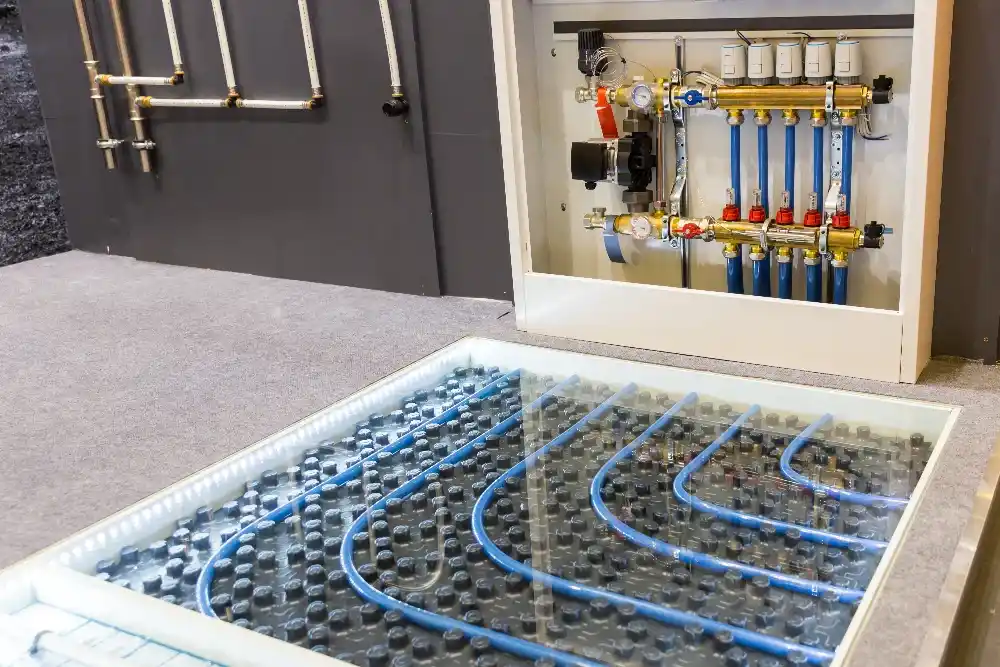
If you’re looking for a quiet, energy-efficient way to heat and cool your home, a hydronic heating and cooling system might be precisely what you need. These systems are known for providing even, consistent temperatures and can be a great alternative to traditional forced-air systems. But are they worth the investment? In this blog, we’ll break down what a hydronic heating system is, how it works, its pros and cons, and whether it’s the right choice for your home.
What Is a Hydronic HVAC System?
A hydronic heating and cooling system uses water to transfer heat instead of air. These systems are common in Europe but are becoming increasingly popular in North America for their comfort and efficiency.
How Does a Hydronic Heating and Cooling System Work?
So, how does a hydronic heating system work? The system heats water using a boiler, then pumps that hot water through pipes installed under the floors, inside walls, or to radiators. The heat from the water warms the space evenly. For cooling, chilled water is circulated through special coils or pipes to absorb heat and cool the room.
Is Hydronic Heating Gas or Electric?
A hydronic heating system can be powered by gas, electricity, or solar energy. Gas boilers are the most common because they are more cost-effective over time. Still, electric versions are also available, especially in areas where electricity is cheaper or renewable energy is used.
Can Hydronic Heating Be Used for Cooling?
Yes! A hydronic heating and cooling system isn’t just for staying warm during winter — it can also keep you cool in summer.
How Effective Is Hydronic Cooling?
Hydronic cooling is effective when paired with the right components, like fan coil units or chilled beam systems. It provides gentle, quiet cooling without the drafty feeling that often comes from forced-air systems.
Is Hydronic Cooling Common in Homes?
Hydronic cooling is more common in commercial buildings but is becoming increasingly popular in high-end homes and green building projects. It’s especially appealing to those who value energy efficiency and quiet operation.
Pros of Hydronic HVAC Systems
Energy Efficiency and Comfort
One of the top benefits of a hydronic heating and cooling system is energy efficiency. Water carries heat more effectively than air, meaning the system uses less energy to maintain a comfortable temperature. This results in lower utility bills and a more sustainable home.
Quiet Operation and Better Air Quality
Since hydronic systems don’t rely on blowing air, they operate almost silently. Plus, because they don’t circulate dust or allergens through vents, they help maintain better indoor air quality — a big plus for allergy sufferers.
Zoning and Custom Temperature Control
A hydronic heating system allows you to set different temperatures in different rooms (zoning). This makes keeping everyone comfortable in your home easier and can reduce energy use.
Disadvantages of Hydronic HVAC Systems

Is Hydronic Heating Expensive?
Yes, the initial installation of a hydronic heating system can be costly. This is especially true if it’s a retrofit rather than a new build. However, the long-term savings on energy bills and increased comfort can make up for it.
Does Hydronic Heating Use a Lot of Electricity?
Not necessarily. If you choose a gas-powered system, electricity use is minimal. Electric hydronic systems use more electricity but are often used in smaller spaces or homes with solar panels.
Common Problems with Hydronic Systems
Like any system, hydronic heating and cooling systems can have issues. Common problems include leaks, air in the pipes, or pump failure. Regular maintenance helps avoid most of these issues.
Why Hydronic Systems Might Not Be Right for Everyone
These systems may not be ideal if you need rapid heating or cooling or have limited space for pipes or boilers. Also, if you plan to move soon, the upfront cost may not be worth it.
Choosing the Right Hydronic Heating and Cooling System
Hydronic Radiant Floor Heating
This option involves running warm water through pipes beneath your floor. It’s ideal for comfort and energy savings.
Radiators
Radiators are the most traditional form of hydronic heating, found mainly in older homes. Modern versions are sleeker and more efficient.
Fan Coil Units
These are used for both heating and cooling. They use hot or cold water coils and a fan to distribute the air.
Hydronic Baseboard Heating
Water-filled baseboard heaters provide a clean and straightforward way to add hydronic heating to a room.
Chilled Water Systems
These systems are used mostly in larger homes or commercial buildings and circulate cold water to cool spaces.
Heat Pumps
Heat pumps can be used in hydronic systems to heat and cool efficiently, using electricity and refrigerant to move heat.
Which One is Best for You?
That depends on your home’s size, layout, and climate. Radiant floors offer comfort, fan coils work well in mixed climates, and heat pumps are great for energy efficiency.
Are Hydronic Heating and Cooling Systems Worth It?
Why Choose Hydronic Heat Over Forced Air?
Hydronic heating and cooling systems provide even temperatures, no noisy fans, and better air quality. They’re smart for those with allergies or tired of uneven heating.
What Type of Home or Climate Is Best for Hydronic Systems?
Homes in colder climates benefit most from hydronic heating, especially with radiant floor systems. However, with the proper setup, they work in warm climates too.
When It’s a Smart Investment
Investing in a hydronic heating and cooling system can add long-term value and comfort if you’re building a new home or doing a major renovation.
When You Might Want to Consider Alternatives
A forced-air system might be more practical if your budget is tight or you need fast heating and cooling.
FAQs
How long does it take for hydronic heating to warm up?
With proper care, a hydronic heating system can last 20–30 years or more. Some components like pumps or valves may need replacing sooner.
Why Does My Sink Drain Smell Like Rotten Eggs?
It depends on the type of system. Radiant floors may take a few hours to reach full warmth, while radiators and fan coils can warm up faster.
Contact Us for Hydronic System Installation in Sacramento
At Clark & Rush, we specialize in installing efficient, reliable hydronic heating and cooling systems tailored to your needs. Whether building a new home or upgrading an old one, we’ll help you choose the best option for your space and budget. Contact us today to schedule a consultation and learn how a hydronic HVAC system can transform your home’s comfort.