Our Blogs

How to Locate Trane Manufacture Date and Serial Number Step-by-Step

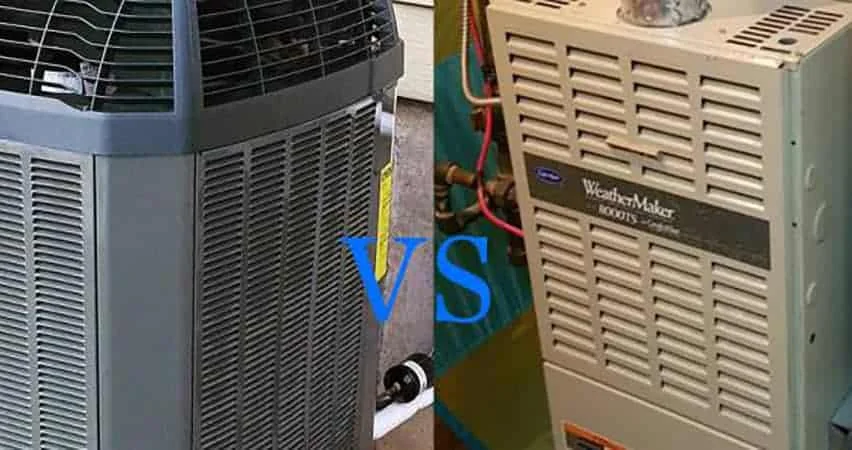
heat pump vs furnace

While winter temperatures in the Northern California are on the mild side, it can still be quite costly to heat your home. Replacing your existing system with something newer and more energy efficient is one way to reduce your monthly heating costs, while also improving indoor air quality and overall comfort.

Below is some important information put together by your Sacramento-area heating repair experts regarding the energy efficiency of two common types of home heating systems: furnaces and heat pumps.

Here’s what you need to know:

What is energy efficiency?

Energy efficiency refers to the amount of energy that is required to operate your heating system. While your system has a maximum efficiency measure, there are a number of other things that could affect its efficiency. Dirty filters, unmaintained systems, and even age can affect the operation and efficiency of your system, therefore costing you more than is necessary in heating costs. Expend less energy, and save money on your monthly utility bills.

Furnace Efficiency

Furnace efficiency is measured by the Annual Fuel Utilization Efficiency (AFUE). This measure is expressed as a percentage. Gas fired furnaces tend to have higher AFUE than oil fired furnaces. Fuel availabilities in your area may affect your decision when choosing between a gas or oil furnace. High quality furnaces of today have efficiencies ranging from 82.7-96.7% AFUE, which is likely significantly higher than the efficiency of your existing system.

Heat Pump Efficiency

Heat pump efficiency is measured by the Heating Seasonal Performance Factor (HSPF). A higher HSPF indicates a higher level of efficiency. Heat pumps tend to be a more energy efficient option than furnaces, and add the extra benefit of performing cooling functions in the summer. We offer a number of highly efficient heat pumps with 9.2 HSPF at the highest.

Which system is a better fit? If you are thinking about replacing your existing heating system, it is recommended that you contact your Sacramento-area heating repair company for personalized, expert advice. Call Clarke and Rush today to schedule an installation estimate at your convenience!

Learn how to find the manufacture date on a Trane air conditioner using the serial number. This step-by-step guide explains where to locate the serial number, how to decode Trane serial number formats, and how to determine the age of your HVAC system for warranty, maintenance, and replacement planning.

Total Time: 10 minutes

Locate the Trane Data Plate

Find the manufacturer information label on your Trane air conditioner. The data plate is typically located on the outdoor condenser cabinet near the refrigerant lines or electrical access panel.

Find the Serial Number

Identify the serial number printed on the data plate. The serial number may contain both letters and numbers depending on the age of the unit.

Identify the Serial Number Format

Determine whether your Trane system uses a newer numeric serial number format or an older alphanumeric format. Most modern Trane systems use the first two digits for the year and the next two digits for the production week.

Decode the Manufacture Date

Read the first four digits of the serial number to determine the production year and manufacturing week. For example, serial number 15234ABC indicates the unit was manufactured during the 23rd week of 2015.

Verify the System Age

Compare the manufacture date with your installation paperwork, maintenance records, or warranty information to confirm the approximate age of the air conditioning system.

Evaluate Repair or Replacement Needs

Use the manufacture date to help determine whether your Trane air conditioner may benefit from continued maintenance, repair, or replacement based on its age and efficiency.

Supply:

  • Phone camera
  • Pen and paper
  • Smartphone flashlight

Tools:

  • Flashlight
  • Screwdriver (if access panel removal is needed)
  • Ladder (optional)

Materials: Trane air conditioner model number Trane serial number Manufacturer data plate Installation paperwork (optional)

CONTACT US

We value your privacy and protect your information. Your details will only be used to assist with plumbing, heating, cooling and any other services you may need, and won’t be shared outside of necessary personnel.

Recent Posts