
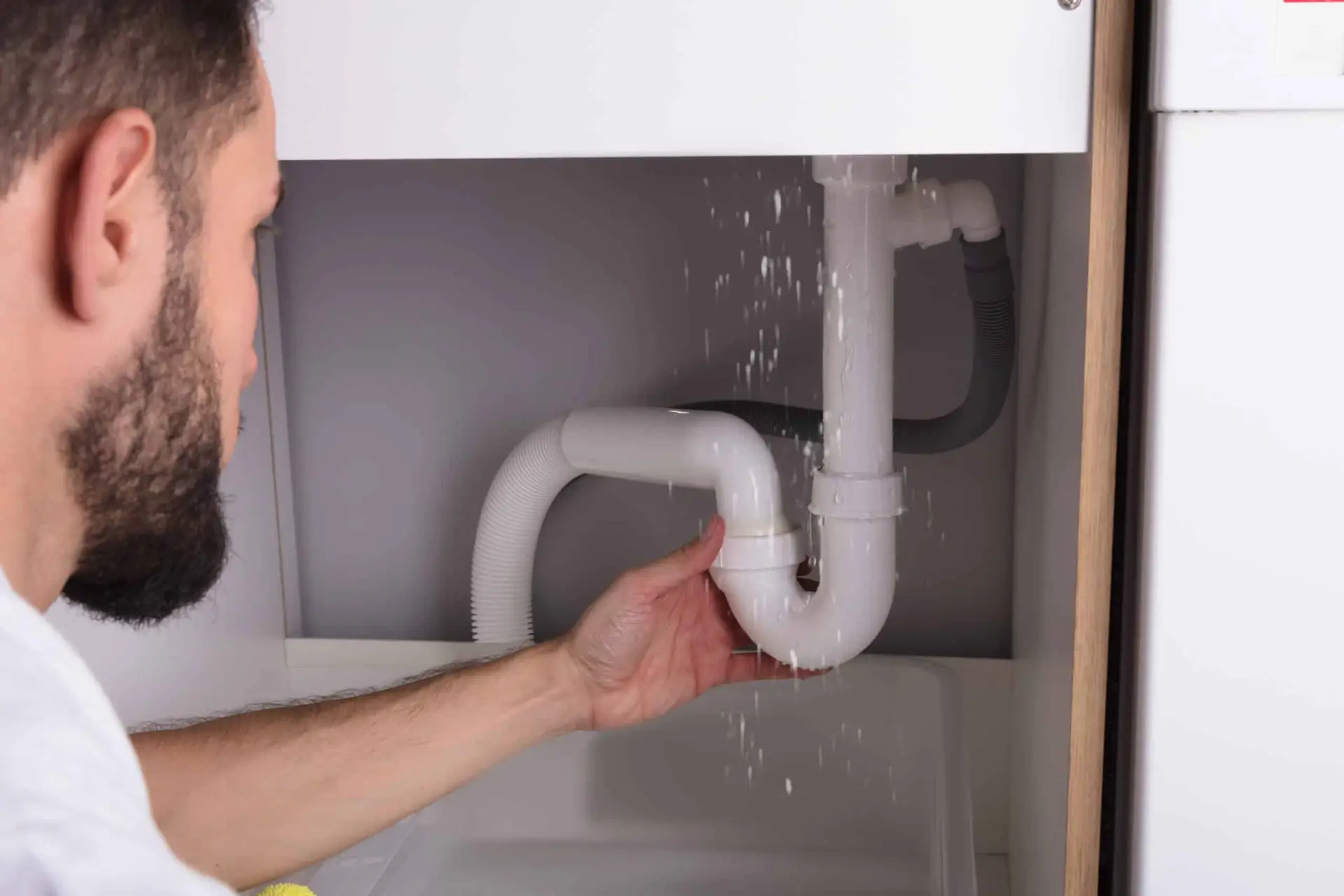
Standing in a bathroom with water creeping up around the drain, we can usually tell pretty quickly what kind of problem we’re facing. The sound matters more than most people realize. A hollow gurgle or that slow gulping noise tells us air can’t move the way it should. Sometimes there’s a sour sewer smell that hangs around even after the water drops. Those little clues often point to signs you need drain replacement.
As plumbers, we see plenty of drains that clear up with professional drain service and stay that way. We also see homes where cleaning only buys a little time. When backups keep coming back, or when more than one fixture starts acting up, that usually means the pipe itself is struggling. At that point, it’s no longer about what’s stuck inside the line. It’s about the condition of the line.
The Difference Between Drain Cleaning and Drain Line Replacement
Drain cleaning does one job, and it does it well when the pipe is still in decent shape. We use high-pressure water to strip grease, soap residue, sludge, and buildup off the inside walls. When the pipe is solid, you’ll hear the difference right away. Water moves fast, air flows smoothly, and the drain sounds normal again.
You can often feel it too. The sink empties without hesitation. The tub doesn’t leave water at your ankles. In those situations, cleaning does exactly what it’s supposed to do and keeps the line usable.
Drain line replacement is a different conversation altogether. That comes into play when the pipe itself has cracks, corrosion, or sections that no longer hold their shape. At that point, sewer line replacement may be the only option that actually solves the issue. Cleaning can’t fix metal that’s flaking away or a pipe that’s sagging underground. You might get a brief improvement, but the structure keeps failing underneath.
This is where camera inspections matter. They show us whether the trouble sits on the surface or inside the pipe material itself. When damage shows up clearly, sewer line replacement helps break the cycle of repeated cleanings that never really fix the problem.
Recurring Clogs That Keep Coming Back Quickly
One of the clearest signs you need drain replacement is when clogs show up, and then return soon after service. If a drain keeps backing up again within days or weeks, something inside the line is catching debris instead of letting it pass. In many homes, those early recurring drain clogs point to pipe damage rather than surface buildup.
We pay close attention when more than one fixture misbehaves. A kitchen sink clog paired with a slow tub drain often means the issue sits farther down the line. When the drain keeps backing up in different areas, that pattern points away from simple buildup and toward a defect in the pipe, which often leads to recurring drain clogs throughout the home.
Timing matters too. When a line blocks again after only light use, that usually means the inside of the pipe has rough edges, offsets, or roots that trap waste as it passes. Cleaning clears the symptom, but the pipe keeps grabbing debris.
Frequent Backups or Slow Drains Throughout the Home
When several drains slow down at the same time, the problem usually isn’t local. We often hear bubbling noises from toilets or sinks when another fixture drains. That sound tells us air can’t get past a restriction in the line.
Floor drains backing up after laundry runs, or showers filling tubs while sinks drain slowly, usually point to a compromised main line. In those cases, cleaning might ease things briefly, but the restriction remains. You might notice water pause before moving again, which often signals a sagging section of pipe holding water and debris.
Over time, these slowdowns affect everyday routines. Laundry cycles take longer. Showers don’t clear properly. Repeated backups create messes that could have been avoided if the underlying issue had been addressed sooner.
Bad Odors, Sewage Smells, or Wet Areas Around the Home
Sewer odors that linger after cleaning usually point to a breach in the line. Wastewater escaping underground releases gas that finds its way back into the house through drains or tiny openings.
Outside, we look for patches of grass that stay greener or wetter than the rest of the yard. That often means a sewer line is leaking and feeding moisture into the soil. It’s subtle at first, but it becomes more obvious over time.
Under slabs or in basements, leaks can go unnoticed for a long while. Damp floors, cracking concrete, mold growth, or persistent musty smells are common signs. Catching these early limits structural damage. Ignoring them usually leads to bigger repairs later, since moisture doesn’t stay in one place.
Pipe Damage, Corrosion, or Root Intrusion
Cracked or offset pipes catch debris easily. Each time wastewater moves through, solids snag on rough edges and build up faster. That’s why some clogs feel constant, no matter how often they’re cleared.
Older cast-iron lines are especially prone to internal corrosion. We see heavy scaling that narrows the pipe until flow slows significantly. Cleaning removes loose buildup, but it can’t rebuild metal that’s already gone.
Tree roots are another common culprit. Roots slip through tiny openings and expand over time. Once they take hold, they block the flow and weaken the pipe walls. In some homes, we also find pipes that have shifted due to soil movement. Even a small offset creates a ledge that catches waste and causes repeated clogs.
When a Camera Inspection Confirms Replacement Is Needed
A drain camera inspection lets us see exactly what’s happening inside the pipe. We guide a flexible camera through the line and watch the condition change in real time. During a drain camera inspection, we look for pipe bellies where water pools, cracks that widen under pressure, and corrosion that flakes away. We also identify root intrusion and areas where pipes have shifted out of alignment.
Seeing these issues helps determine whether a section can be repaired or whether the entire line needs replacement. That information lets you plan work instead of reacting to emergencies. Early inspection limits damage. While cleaning works for minor issues, structural problems continue to worsen without replacement.
Fix the Root Problem Instead of Fighting the Same Clog
Repeated drain cleanings add up without solving the cause. Each visit clears the symptom but leaves the damaged pipe in place, even when you’ve already scheduled professional drain service more than once. That cycle gets frustrating fast.
Replacing a failing line stops backups, odors, and water damage at the source. Once the pipe is sound again, the system returns to normal operation. Drains clear quickly, fixtures behave the way they should, and the house stops reacting every time water runs.
At Clarke & Rush in Sacramento, CA, we focus on diagnosing what’s actually happening underground. A clear inspection gives you the information needed to choose the right fix at the right time. Making the decision before a major failure gives you more control over scheduling and scope, and it helps avoid emergency situations that disrupt your home.
If you want a clear picture of what’s happening underground, Clarke & Rush can take a closer look before the problem grows.
